

GPR is transforming the way subsurface explorations are conducted throughout various industries. As building projects grow in intricacy and ecological concerns grow, the need for advanced techniques to reveal hidden utilities, infrastructures, and geological features has never been more pressing. This article delves into the significance of Ground Penetrating Surveys, offering a comprehensive guide for novices while exploring the innovative applications of this technology in building, archaeology, environmental assessments, and other fields.
In the field of building and infrastructure development, understanding what lies beneath the surface is essential. Ground Penetrating Surveys not only help avoid expensive delays by identifying underground features before excavation begins but also enhance safety and efficiency on job sites. With Visit the website and property developers increasingly relying on these surveys, it is crucial to understand their benefits and the technology behind them. Join us as we reveal the key role of GPR in modern subsurface investigations and highlight the numerous advantages it offers to multiple sectors. spintax ## Understanding Ground Penetrating Radar Surveys
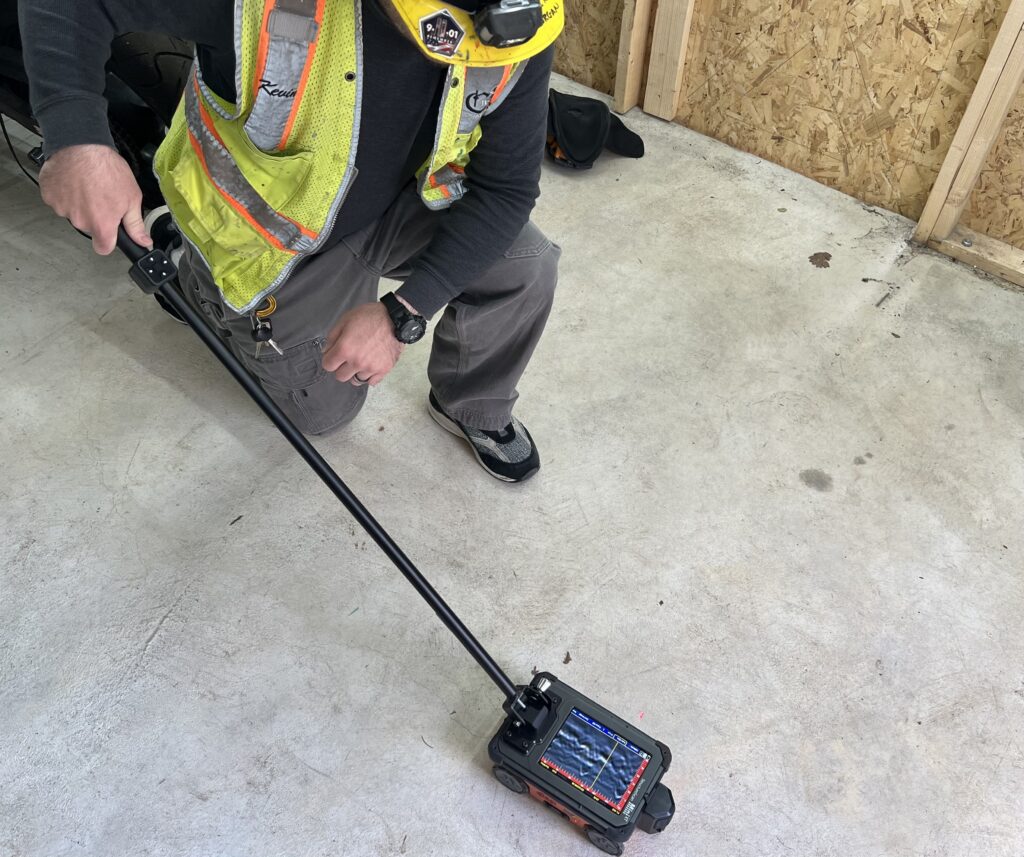
Ground Penetrating Surveys, or ground penetrating radar, are non-invasive geophysical methods that use high-frequency radar pulses to image the subsurface. This technique allows for the detection and identification of various subsurface features, objects, and changes in material properties without the need for digging. GPR systems send out radar waves into the ground, which are bounced back to the surface by different subsurface features. The information collected is then processed to create detailed visuals that can inform decision-making for development, ecological assessments, and archaeological investigations.
One of the main advantages of Ground Penetrating Surveys is their ability to provide real-time data, enhancing the effectiveness of subsurface investigations. Unlike traditional methods, GPR can quickly identify the presence of services, voids, and various irregularities, reducing the risk of unforeseen complications during construction projects. This functionality is particularly beneficial for real estate developers and construction professionals, as it allows them to make knowledgeable decisions based on accurate subsurface information, ultimately resulting in more secure and more effective planning.
Moreover, the uses of GPR extend across numerous industries, including construction, environmental assessments, and historical studies. In building, they play a vital role in safeguarding underground services and ensuring safe digging practices. As local governments increasingly rely on GPR for effective subsurface surveying, the method continues to evolve, becoming an essential instrument for contemporary construction and infrastructure, thereby revolutionizing how we investigate and comprehend what lies beneath the surface.
Advantages of Ground Penetrating Surveys
Ground penetrating surveys offer a number of advantages that substantially enhance subsurface investigations. One of the primary benefits is the ability to obtain real-time, high-resolution pictures of the underground structure without disturbing the top layer. This non-intrusive method enables engineers and construction experts to locate the presence of utilities, voids, and other underground elements, minimizing the likelihood of problems during construction. Consequently, using GPR helps accelerate project preparation and delivery, providing a smoother workflow.
Another important benefit is the decrease of costs associated with construction delays and unforeseen fix-ups. By performing a ground penetrating survey before digging, project groups can uncover hidden obstacles and accurately evaluate the site environment. This awareness can prevent costly damage to utilities and lower the need for emergency intervention, ultimately saving hours and resources for the overall project. The investment in GPR technology often is advantageous by boosting efficiency in operations and reducing financial threats.
Additionally, ground penetrating surveys increase safety on construction locations. By correctly charting subsurface aspects, construction workers can plan their digging practices more efficiently and avoid hazards linked to unidentified underground situations. This proactive approach ensures that workers are shielded against potential troubles, highlighting the value of GPR in promoting workplace safety. As a consequence, ground penetrating surveys not only add to the achievement of projects but also promote a more secure working environment for all participants.
Utilizations Across Industries
Ground-penetrating radar has emerged as an crucial tool across various sectors, delivering essential insights for different purposes. In the building industry, GPR is employed to locate underground utilities, guaranteeing that projects move forward without unexpected interruptions. This method aids excavators locate buried lines, cables, and other important infrastructure before excavation, thereby enhancing safety and effectiveness. Additionally, its capacity to examine sites for cavities and anomalies facilitates engineering analyses, permitting engineers to manage potential issues proactively.
In the field of archaeology, ground penetrating surveys uncover hidden artifacts and historical elements that lie below the surface. This non-invasive technique enables researchers to examine sites without intrusive digging, protecting the condition of these valuable locations. By mapping subsurface structures, archaeologists can formulate informed plans for excavation, ensuring that noteworthy findings are not overlooked and offering a clearer picture of past civilizations.
Ecological agencies also employ ground penetrating surveys in environmental studies and hazard evaluations. GPR helps in detecting hazardous materials, analyzing landfill sites, and monitoring the flow of contaminants in soil and groundwater. This capability plays a crucial role in ecological cleanup initiatives, helping to guarantee public safety and compliance with legal standards while also assisting in the development of renewable energy projects by evaluating subsurface conditions thoroughly.